

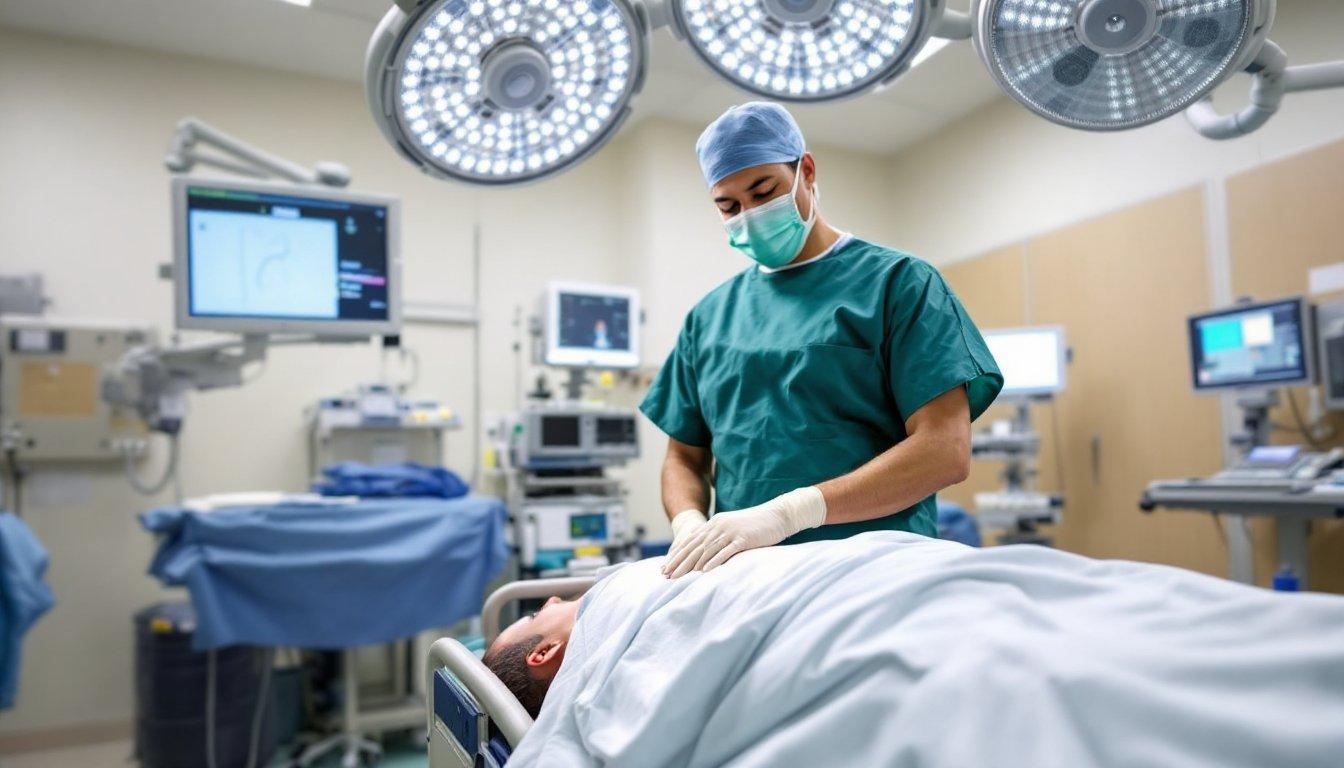
Digestive health is an important part of overall wellbeing, yet many people delay seeking medical advice when symptoms first appear. Concerns such as rectal bleeding, persistent abdominal discomfort, changes in bowel habits, or unexplained weight loss are often ignored because they can feel embarrassing or seem minor at first. However, early evaluation by a qualified colorectal specialist can help identify the underlying cause and allow appropriate treatment to begin sooner.
Choosing the right colorectal surgeon involves more than looking at qualifications alone. Experience, communication, clinical expertise, and a patient-centred approach all contribute to better healthcare experiences and informed decision-making.
For patients looking for specialist care in Singapore, Dr QM Leong (Colorectal Surgeon) has extensive experience in colorectal and general surgery, with a clinical focus on minimally invasive procedures, endoscopy, and colorectal cancer management.
What Does a Colorectal Surgeon Do?
A colorectal surgeon specialises in diagnosing and treating diseases affecting the colon, rectum, anus, and lower digestive tract.
Their work includes both non-surgical and surgical management of a wide range of conditions, depending on the patient’s diagnosis.
Common responsibilities include:
- Assessing digestive symptoms.
- Performing colorectal cancer screening.
- Conducting colonoscopies.
- Treating benign colorectal conditions.
- Managing colorectal cancer.
- Performing minimally invasive surgery.
- Providing post-treatment follow-up.
Many colorectal surgeons also perform general surgical procedures when clinically appropriate.
Conditions Commonly Managed
Colorectal specialists diagnose and treat a broad range of digestive disorders.
These include:
- Haemorrhoids.
- Anal fissures.
- Anal fistulas.
- Colorectal polyps.
- Colorectal cancer.
- Diverticular disease.
- Pilonidal disease.
- Hernias.
- Gallbladder conditions.
Because symptoms often overlap between different conditions, a thorough clinical assessment is essential before treatment recommendations are made.
Why Early Diagnosis Matters
Many colorectal diseases develop gradually and may produce few symptoms during their early stages.
Seeking medical attention promptly can help:
- Detect colorectal cancer earlier.
- Identify precancerous polyps.
- Reduce disease complications.
- Improve treatment options.
- Support faster recovery.
- Provide reassurance when symptoms are caused by less serious conditions.
Routine colorectal cancer screening also plays an important role in identifying abnormalities before symptoms develop.
The Importance of Colonoscopy
A colonoscopy remains one of the most valuable diagnostic procedures in colorectal medicine.
Using a flexible camera, the doctor examines the lining of the colon and rectum to identify abnormalities that may not be visible through other investigations.
A colonoscopy may be recommended for:
- Colorectal cancer screening.
- Rectal bleeding.
- Persistent abdominal pain.
- Changes in bowel habits.
- Chronic diarrhoea.
- Follow-up after previous polyp removal.
One of its key advantages is that certain polyps can often be removed during the same procedure, reducing the future risk of colorectal cancer. Dr Leong performs both diagnostic and therapeutic endoscopy and offers direct access colonoscopy services where clinically appropriate.
Advances in Minimally Invasive Surgery
Modern colorectal surgery has evolved considerably over the past two decades.
Many procedures that once required large incisions can now be performed using minimally invasive techniques.
Examples include:
- Laparoscopic surgery.
- Single-incision laparoscopic surgery.
- Robotic-assisted colorectal surgery.
Potential benefits may include:
- Smaller incisions.
- Reduced postoperative discomfort.
- Shorter hospital stays.
- Faster recovery.
- Less visible scarring.
The most appropriate surgical approach depends on the patient’s diagnosis, anatomy, and overall health.
Qualities to Look for in a Specialist
When selecting a colorectal surgeon, patients often consider several important factors.
These include:
- Specialist training.
- Clinical experience.
- Communication style.
- Range of procedures performed.
- Access to modern surgical techniques.
- Personalised treatment planning.
- Ongoing follow-up care.
A surgeon who explains diagnoses and treatment options clearly helps patients make informed decisions with greater confidence.
A Patient-Centred Approach
Successful treatment extends beyond performing procedures.
Comprehensive colorectal care often includes:
- Detailed consultation.
- Diagnostic investigations.
- Individualised treatment recommendations.
- Surgical planning where necessary.
- Recovery guidance.
- Long-term follow-up.
This continuity of care supports better communication while allowing treatment plans to be adjusted according to each patient’s progress.
Supporting Long-Term Digestive Health
Healthy lifestyle habits can contribute to maintaining digestive wellbeing alongside professional medical care.
General recommendations include:
- Eating a fibre-rich diet.
- Drinking adequate water.
- Exercising regularly.
- Maintaining a healthy weight.
- Avoiding tobacco products.
- Limiting excessive alcohol consumption.
- Attending recommended screening appointments.
Although lifestyle changes cannot prevent every colorectal condition, they support overall bowel health and may reduce certain risk factors.
Experience and Continuing Development
Medicine continues to evolve as new techniques and technologies become available.
Many experienced specialists participate in ongoing education, surgical training, and clinical research to remain current with advances in patient care.
Experience with minimally invasive surgery, robotic techniques, and advanced endoscopy allows surgeons to offer a broader range of treatment options where appropriate. Dr Leong trained in laparoscopic and robotic colorectal surgery under an MOH HMDP scholarship in Korea and has contributed to surgical education and peer-reviewed publications in colorectal surgery.
Conclusion
Choosing a colorectal surgeon is an important healthcare decision that should consider experience, communication, clinical expertise, and a commitment to personalised patient care. Early assessment of digestive symptoms and appropriate colorectal screening can contribute to earlier diagnosis and better treatment outcomes.
For individuals seeking specialist colorectal care in Singapore, Dr QM Leong (Colorectal Surgeon) combines extensive surgical experience, expertise in minimally invasive techniques, and a patient-focused approach to support the diagnosis and management of a wide range of colorectal and general surgical conditions.